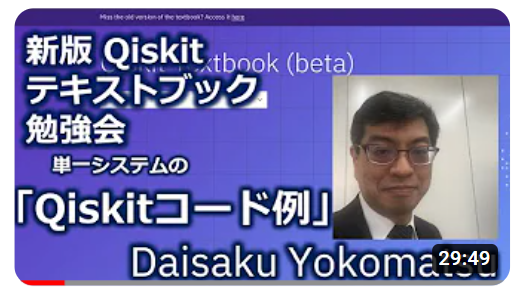
https://youtu.be/FSKcglefzt4?si=7TCN6L-3FXpfh_5t
During the summer of 2023, I became a member of the Qiskit Advocate program.
I joined over 500 passionate individuals worldwide who actively contribute to the Qiskit community and Qiskit ecosystem.
I want to share what I did last year, hoping it will help those of you considering applying. Keep in mind that the details I provide are based on the 2023 application guide, which might be different this year. So, prospective applicants should check the latest application guide.
I decided to apply after actively participating in the “Research on the Use of Quantum Computers” working group within IBM Community Japan' s (ICJ) Knowledge Mall study. In that group, I developed study materials specifically for the IBM Quantum Developer Certification Examination.
I developed study materials known as the “Tora no Maki” (the “Tiger' s Scroll”) within our research Working Group (WG). This collaborative effort involved four members, including myself, and our leader. While the term “Tora no maki” originally referred to a slang term for “a book of military tactics,” in our context, it signifies “a book of secrets and strategies to succeed in the exam.”
One of the first achievements of my activities was the "Tora no maki" that was created together with the research WG members.
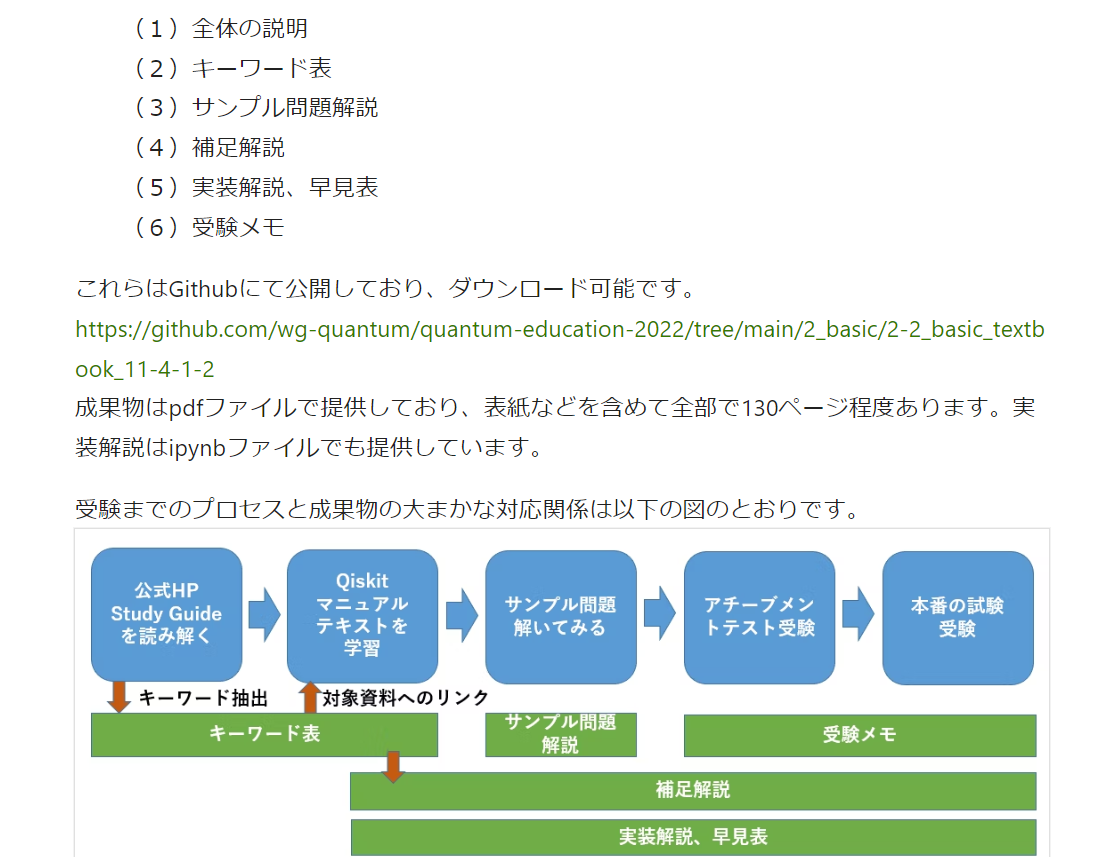
Although the document "Tora no maki" was originally prepared in Japanese, I'll provide a concise overview. The document includes the following components:
You can find these resources on GitHub.
https://github.com/wg-quantum/quantum-education-2022/tree/main/2_basic/2-2_basic_textbook_11-4-1-2
In addition to creating study materials to aid with the exam, I want to highlight that all four WG members, including myself, achieved good grades and passed the exam!
Here are some other notable accomplishments resulting from my personal and collaborative efforts:
Both of these presentation recordings are accessible on Quantum Tokyo' s YouTube channel.
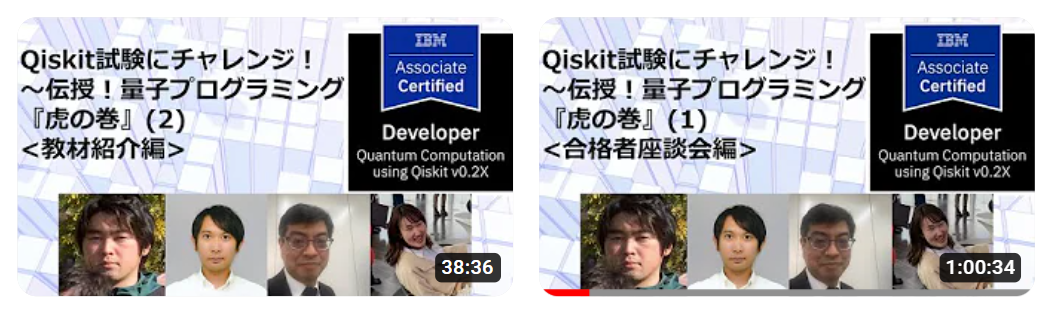
Here are my accomplishments related to Qiskit events:
I've contributed several articles to IT professional blogs. These include an introduction to the 'Tora no maki' document, an exploration of parameterized quantum circuits using Qiskit and symbolic processing of mathematical expressions, and an investigation into solving sample problems for the Quantum Developer Certification using ChatGPT.
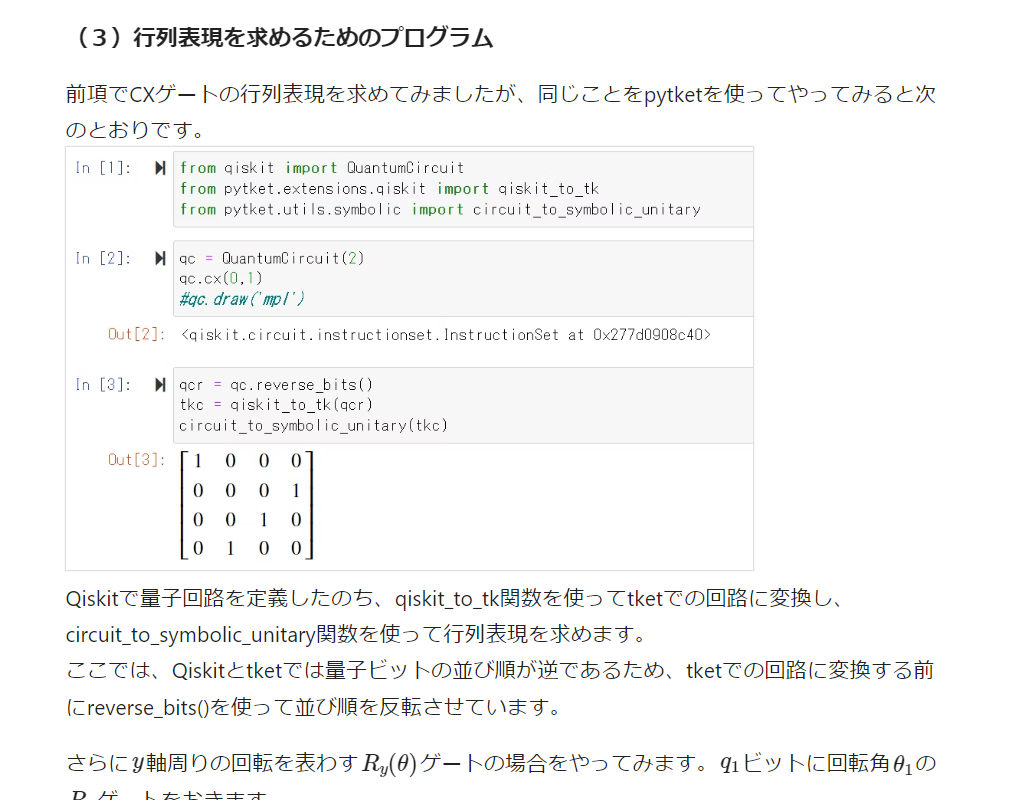
I initiated a voluntary quantum computing study group at my workplace. We've been meeting every other week,
and I serve as the instructor, guiding our exploration of the fundamentals of quantum algorithms.
Although our study group was conducted online, unfortunately, we don't have a group photo of the participants.
When applying for the Advocate position, I digitized the handwritten notes I had prepared for the presentation and submitted them as supporting material.
In summary, it's essential to put yourself in the reviewer's shoes and imagine how they would evaluate the achievements you submit.
Prepare your submission with that perspective in mind.
The application review process involves assessment by Qiskit Advocate squad, to determine certification. As stated in the Application Guide,'Applications will be reviewed by the Qiskit Advocate squad on a rolling basis.'
Applicants will receive notification via email regarding whether they have been certified or not. However, specific feedback on achievement points is not provided.
As of April 2023, I compiled my achievements into a table and self-assessed. I realized that I had met the application requirements of earning at least 20 points.
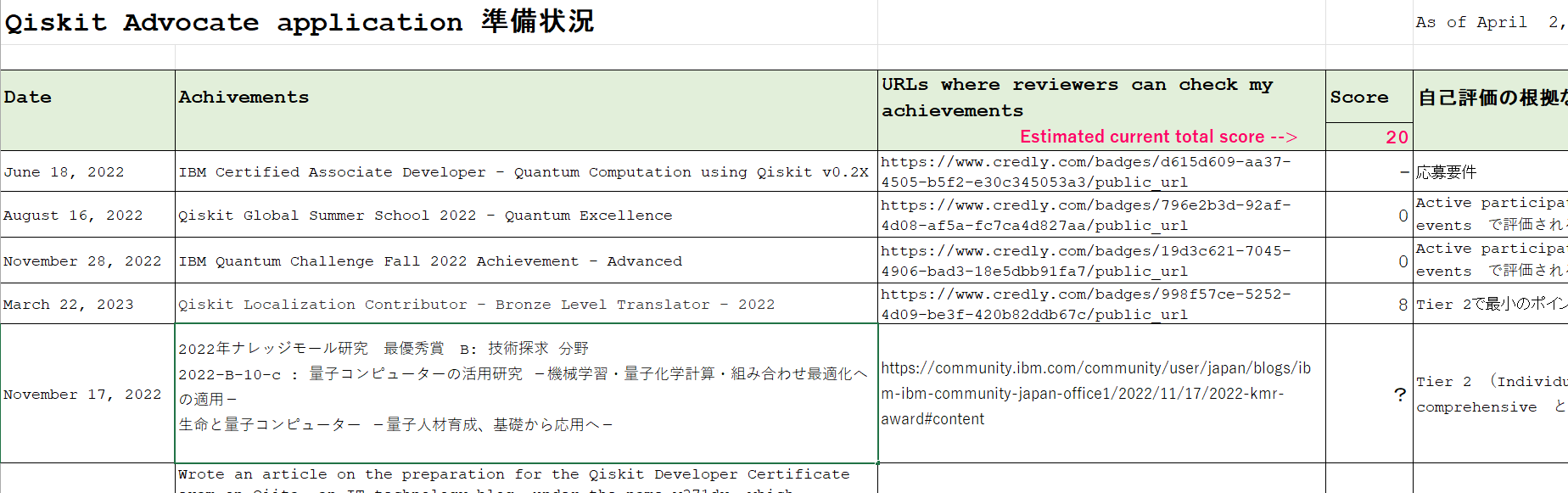
Additionally, while these achievements won't count toward the application, I believe it's beneficial to include any upcoming plans. For instance, if you' re scheduled to give a presentation at a seminar after the application deadline, mentioning that would be valuable. Similarly, regarding document translations, even before applying for badges, noting your current translation progress or the word count of reviewed content could be beneficial. Keep in mind that the point system isn't uniform; there's a range. When self-assessing, it's safer to calculate using the minimum values and sum them up.
I've heard from fellow Advocates that when applying, it's crucial to effectively showcase your achievements. Even if the reviewer doesn' t understand Japanese, providing evidence in a way they can evaluate is essential. For instance, including URLs to publicly accessible materials or attaching supporting documents can help. Conversely, ensuring that your accomplishments are publicly available for reviewers to reference is highly desirable.
As an IT engineer with experience in numerical simulations of combustion, I' ve proven that even IT professionals can become Qiskit Advocate through hard work and a strong track record.
Recently, I read an interview with the renowned architect, Tadao Ando. He has been involved in constructing libraries for children. In one library he designed and built in Osaka, there' s a large green apple sculpture. The symbolism behind it is to live life like a perpetual green apple, never fully ripening, and maintaining youthful energy until the age of 100. As I approach my sixties next year, I'm inspired by Ando's message. I aim to apply this philosophy not only to quantum computing but also to nurturing quantum talent.